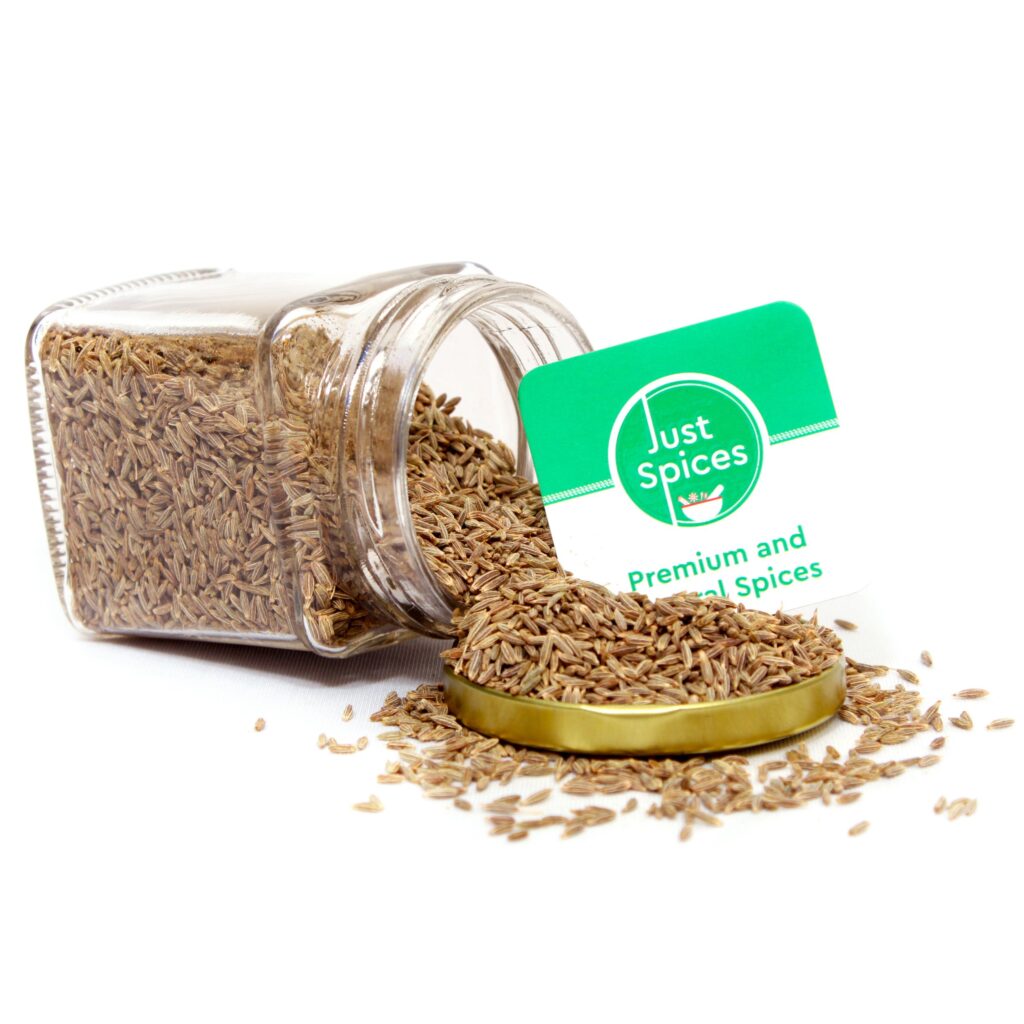
India is the world’s largest producer and exporter of spices, supplying over 180 countries with a range of products including turmeric, cumin, chilli, coriander, fennel, sesame seeds, and more. Yet, despite strong global demand, Indian spice shipments continue to face rejection in highly regulated markets like the European Union and the United States.
With years of hands-on experience as a leading Indian spices exporter, we can confidently say that most rejections are preventable.
This article is written for global buyers, importers, supply chain heads, and fellow exporters who want clarity on where things go wrong and how compliant exporters avoid these costly mistakes.
Why the EU and US Are the Strictest Spice Markets Globally
- EU: Regulated under EFSA, Rapid Alert System for Food and Feed (RASFF), and Regulation (EC) No 396/2005 for pesticide residues.
- US: Governed by the FDA under FSMA, with strict controls on contamination, adulteration, and traceability.
Even a minor non-compliance can lead to:
- Border rejection
- Product destruction or re-export
- Blacklisting of the exporter or the origin
- Loss of buyer trust
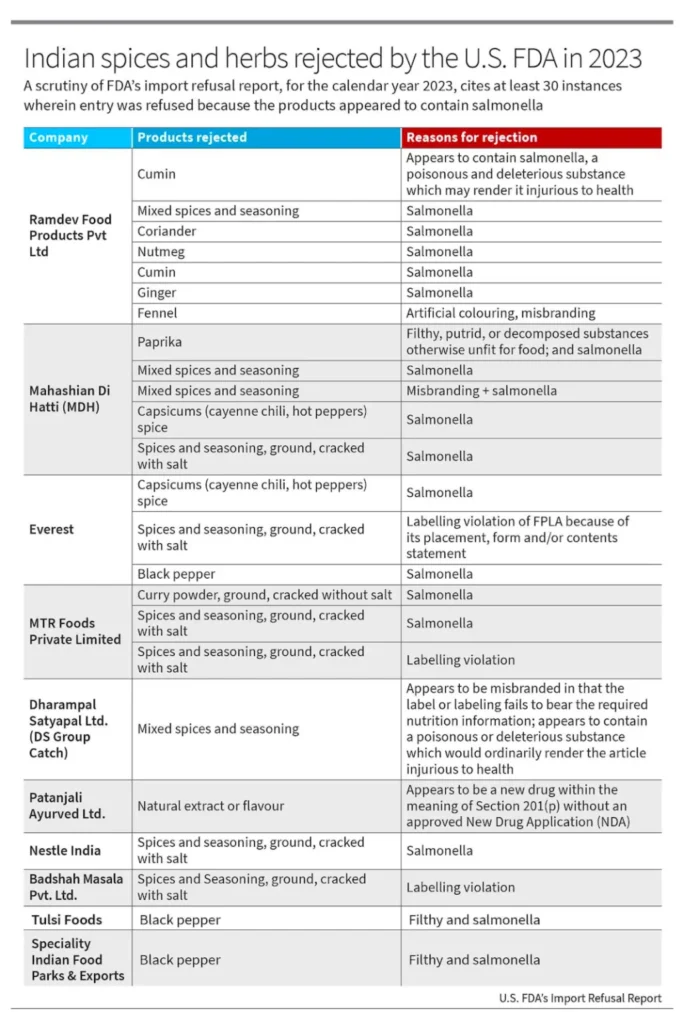
List of Top 5 Reasons Why Indian Spice Shipments Get Rejected
1. Excess Pesticide Residues Above MRL Limits
Many spice consignments exceed the Maximum Residue Limits (MRLs) set by the EU and the US. The EU, in particular, enforces some of the world’s lowest tolerance levels.
Commonly flagged residues include:
- Ethylene oxide (EtO) in sesame and spices
- Chlorpyrifos
- Carbendazim
- Acephate
According to RASFF notifications, pesticide residue violations account for over 30 per cent of spice-related alerts involving India in recent years.
2. Microbial Contamination and Poor Hygiene Controls
Key contaminants that trigger rejection
- Salmonella
- Excess mould and yeast
- Aflatoxins, especially in chilli and turmeric
Why this happens
- Poor drying practices
- Open-yard storage
- Unhygienic grinding or handling
- Moisture ingress during storage or transit
A single positive test can result in:
- Consignment rejection
- Increased inspection frequency for future shipments
- Import alert in the US
3. Incomplete or Incorrect Documentation
Common documentation issues
- Incorrect HS codes
- Missing allergen declarations
- Inconsistent Certificate of Analysis
- Label non-compliance with destination norms
- Errors in country-of-origin or lot traceability
In the EU and the US, customs and food authorities rely heavily on documentation. Discrepancies raise red flags, triggering:
- Secondary inspections
- Sampling delays
- Detention at the port
4. Adulteration and Quality Parameter Failures
Typical quality failures
- Artificial colour in chilli powder
- Excess foreign matter
- Low curcumin content in turmeric
- Poor volatile oil levels in cumin and fennel
- Mixing of inferior grades
Why buyers reject these shipments
Global buyers today test not just safety but functional quality. If the spice does not perform as promised, it is rejected commercially even if legally acceptable.
At Suman Exports, buyers can source everything from standard commercial grades to premium, high-oil, high-curcumin, export-focused qualities, with no compromises.
5. Lack of IPM and Sustainable Sourcing Practices
This is a growing rejection trigger, not always visible at the border, but increasingly enforced by buyers.
Why IPM matters globally
Integrated Pest Management reduces:
- Chemical dependency
- Residue risks
- Environmental damage
Shipments without IPM backing face:
- Buyer rejection at the contract stage
- Delisting from approved supplier lists
- Long-term loss of market access
Suman Exports’ IPM advantage
We are a recognised IPM spices exporter from India, supplying:
- IPM turmeric
- IPM cumin seeds
- IPM red chilli powder
- IPM sesame seeds
- IPM Fennel Seeds
- IPM Crushed Chilli
- IPM Garlic Powder
- IPM fenugreek seeds
- IPM Coriander seeds
- IPM Chia seeds
- Also, their respective powders
Our IPM sourcing helps buyers meet:
- EU Green Deal expectations
- US clean-label trends
- Retail sustainability audits
What Global Buyers Should Look for in an Indian Spice Exporter
If you are sourcing from India for the EU or the US, your exporter must offer:
- Pre-shipment compliance testing
- IPM or residue-managed sourcing
- Transparent traceability
- Custom packaging and private labelling
- Market-specific documentation support
Why Global Buyers Trust Suman Exports
Based in Unjha, Gujarat, the heart of India’s spice trade, Suman Exports supplies a complete basket of spices, including turmeric, cumin, red chilli, fennel, coriander, sesame seeds, and more.
What sets us apart:
- Strong compliance-first mindset
- IPM-based spice sourcing
- Custom packaging and private or white labelling
- Destination-specific quality planning
- Long-term reliability, not short-term trading
Final Thoughts from the Export Desk
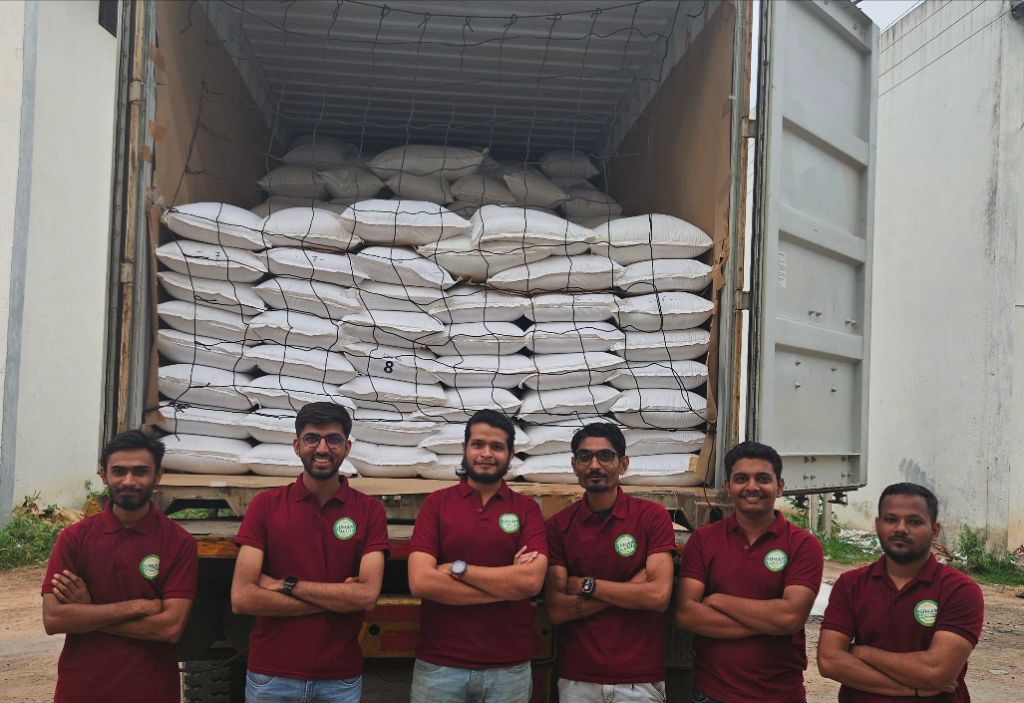
Most spice shipment rejections are not accidents. They are the result of shortcuts taken much earlier in the supply chain. As regulations tighten in the EU and US, only exporters who invest in IPM, testing, traceability, and transparency will remain relevant.
If you are a buyer, importer, or brand looking for a trusted Indian spices exporter who understands global compliance deeply, we are ready to support your sourcing needs with confidence.
Contact us today to request the latest product list, compliance documents, and US/EU -EU-specific offers.